
Although there are many techniques for developing teams, the most important thing to do is foster healthy dialogue with your team and provide support that allows them to flourish. High-performing teams will help you stand out in your industry and give you an advantage at work. You'll need to take the time to learn about the unique personalities of each member and figure out how to best work together.
Self-awareness is essential for leaders and healthy self-management for team members. Five phases or stages are common for team development. Each stage is characterized by its own behaviors and feelings.
The best teams are those that are comprised of complementary skills and have a common purpose. High-performing groups can provide maximum value for customers. Customer satisfaction should also be a priority. It's a good idea also to establish clear expectations for your employees. These expectations should be based in the present as well as the next 12 monthly. They should be specific, but not overly detailed.

Trust is an essential component of great teams. This can be achieved by creating a culture that encourages trust and belonging among team members. The team will be more open to collaboration and innovation when they feel a sense that everyone is responsible.
A team coach is another important aspect of team growth that is often overlooked. Your team can benefit from the personal support of a coach to ensure their success. They are skilled at engaging with your team, helping you to understand your strengths and weaknesses and highlighting the positives as well as the negatives in each member's contributions. They can also help team members to become more self-aware, and improve communication skills.
The best teams have a clear set if objectives. These objectives are intended to improve the effectiveness of the team and should be clearly stated by the leader. This can be accomplished by identifying major milestones and goals for the team and then identifying key milestones and targets for each member. The leader can then create a plan for coaching the team that addresses each member's specific goals. The team should also have a common understanding about the team's goals, and how they will all be achieved.
The group should also create a model that clearly demonstrates the purpose of the team. You could use a poster (or a bulletin board) or an electronic document. This model should be shown to the team. It should also demonstrate the importance and benefits of team development. It is important to keep in mind that all teams will experience challenges. Therefore, you must work together to overcome them.
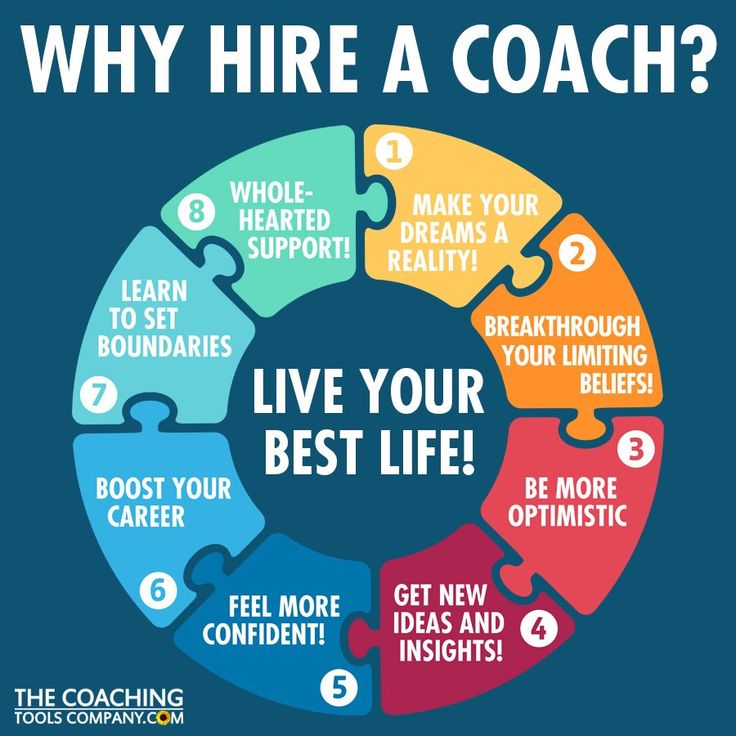
The development of teams takes effort, dedication, and time. And, a team is only good as its leaders. For teams to grow, they need to be given the opportunity to make the most of their talents, and to be empowered and guided by their leaders. Begin by asking team members their strengths, and weaknesses. You will also need to give your team members the chance to share their ideas, goals and insights. Ultimately, you'll want to provide them with a healthy dose of feedback, and you'll want to keep your eye on their project updates.
FAQ
How much does a life coach cost?
A life coach charges typically $100-$500 per hour.
The average time they spend working on a client's case varies from two weeks to several months, depending on the coaching you are looking for.
A typical fee will include an initial consultation and assessment. Then, there will be weekly phone calls (or Skype) to review progress and plan next steps.
Life coaches can provide guidance and support as well as help clients to set goals, identify problems, create strategies to overcome obstacles, and solve problems.
Who can become a life coach?
Anyone can become a life coach, regardless of age or background.
It doesn't make a difference what your experience is in other areas. All that matters, however, is your desire help others.
Most life coaches are educated at the university or have completed postgraduate training. There are many self-taught life coach out there.
What do you focus on in life coaching?
Ability to assist people in developing their strengths and skills to reach their goals.
To understand how they think, what motivates and where they fall short. To help them solve their problems.
To give them the confidence and self-belief they need to take charge of their lives.
To help them learn through their mistakes so that they can move forward.
Teach them to be happier, more healthy, more fulfilled, and more productive.
To help them develop practical communication skills.
To encourage them to build strong relationships.
To show them how time can be managed effectively.
To help them understand how to motivate themselves and others.
To model leadership.
Statistics
- People with healthy relationships have better health outcomes, are more likely to engage in healthy behaviors, and have a decreased mortality risk.1 (verywellmind.com)
- According to a study from 2017, one of the main reasons for long-term couples splitting up was that one of the partners was no longer showing enough affection and attention to the other. (medicalnewstoday.com)
- If you expect to get what you want 100% of the time in a relationship, you set yourself up for disappointment. (helpguide.org)
- These enhanced coping skills, in turn, predicted increased positive emotions over time (Fredrickson & Joiner 2002). (leaders.com)
- Needing to be 100% positive and committed for every client regardless of what is happening in your own personal life (careerexplorer.com)
External Links
How To
What are the problems that life coaches help solve?
Life coaching is an effective method for dealing with personal issues such anxiety, stress, depression, self-doubt, relationship problems, career challenges, and other difficulties. It helps clients set goals and create strategies to help them get there.
Life coaching can be beneficial to clients since they learn how.
-
Determine what is most important to them
-
Set goals
-
Better understanding of oneself
-
Positive habits are important
-
Manage stress
-
Focus on their needs
-
Find solutions to problems
-
Learn new skills
-
Change negative patterns
-
Have more fun
-
Be more productive
-
Take control of their lives
-
Overcome all obstacles
-
Develop good communication skills
-
Strengthen relationships
-
Be able to deal with difficult situations effectively
-
Live a happier, healthier life
-
Feel more confident
-
You should make rational decisions
-
Enjoy meaningful experiences
-
Be more successful
-
Spiritual growth
-
Improve their physical and mental health
-
Increase longevity
-
Lower your risk factors for illness
-
Make yourself emotionally stronger
-
Gain insight into their behaviors
-
Eliminate bad habits
-
Balance work and play
-
Enjoy life more
-
Joyfullness is more possible
-
Live a richer life
-
Be more successful
-
Keep moving forward
-
Make it easier to deal with problems
-
Mental clarity can be improved
-
Heal from past trauma
-
Turn negatives into positives
-
Transform limiting beliefs